










By Amuda Dan Sulaiman Fab
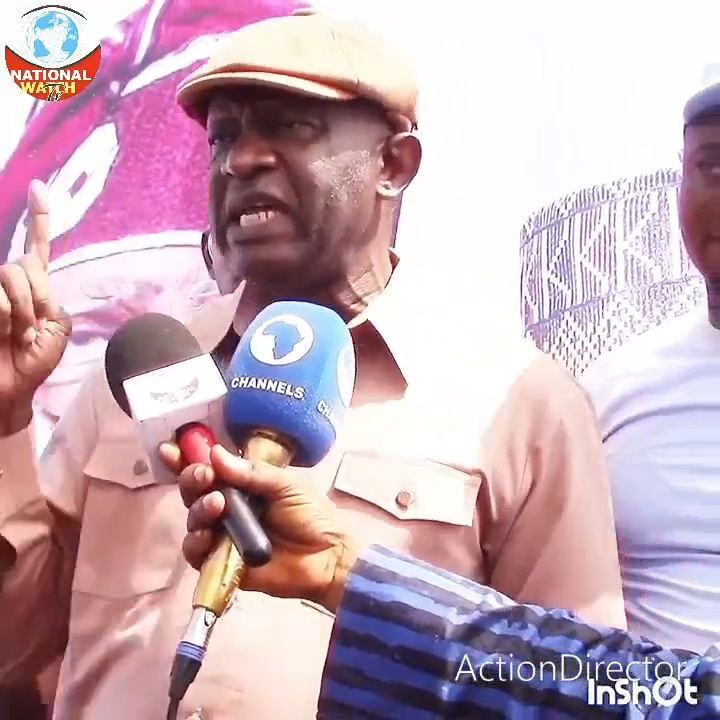
The Kogi State Government is facing backlash over plans to evacuate facilities belonging to the Isanlu Water Project, with the Mayegun of Isanlu Land and Akogun of Itakete-Ide, High Chief Olatunde David Dare, demanding the immediate suspension of the exercise.
High Chief Dare condemned the decision by the Kogi State Ministry of Water Resources to authorize the evacuation of 16 items from the Isanlu Zone, describing the facilities as public assets and part of the heritage of the Isanlu community.
The development followed a release letter dated September 21, 2026, signed by the Permanent Secretary of the Ministry of Water Resources, Alhassan Omakoji, and addressed to the Chairman of Yagba East Local Government Area.
In the letter, approval was reportedly given for the release of the 16 items to Gabdire International Nigeria Ltd. for evacuation, with the ministry stating that due diligence had been conducted and due process followed.
However, Dare challenged the classification of the facilities as “verified scrap metals and decommissioned assets,” demanding that the government make public the technical, legal and administrative documents backing the decision.
He said the Isanlu Water Project was constructed in 1983 during the administration of Alhaji Adamu Attah to provide water to the Isanlu community and was established with public resources for a public purpose.
According to him, the prolonged failure to maintain the project should not be used as justification to dispose of its remaining facilities.
“The fact that government has failed to maintain or revive an infrastructure does not give government the moral or public-interest justification to simply dispose of it,” Dare said.
He argued that if the facility was no longer functional, government should explain why, assess what could be salvaged and develop a transparent rehabilitation plan rather than remove the infrastructure from the community.
The traditional title holder demanded answers on who authorized the classification of the facilities as scrap, what technical assessment was conducted, when the assets were formally decommissioned and what happened to previous efforts or appropriations for their rehabilitation.
He also demanded the disclosure of any valuation report, technical report establishing that the facilities were beyond rehabilitation, approval for their disposal, method of disposal, public notice and the destination of any proceeds from a possible sale.
Dare maintained that government administrations were temporary while public assets and communities remained permanent.
“If the present administration cannot rehabilitate the facility, then leave it intact. If it cannot fund the work, let another administration do it. Do not turn governmental inability into the permanent destruction of a community asset,” he said.
He further called for the immediate suspension of any evacuation, removal, sale or disposal of the Isanlu water infrastructure pending a transparent review, disclosure of relevant documents and proper engagement with the Isanlu community.
Dare also put prospective buyers on notice that the community would scrutinise any transaction involving the facilities.
He warned that if the decision was not reversed, he would pursue “every lawful administrative, regulatory and judicial avenue” available to protect the interests and assets of Isanlu.
“This is not a threat outside the law; it is a declaration that we will use every legitimate means available to us to defend what belongs to our community,” he said.
While expressing opposition to the planned evacuation, Dare called on youths and residents of Isanlu to remain peaceful and law-abiding, urging them to pursue their grievances through lawful means.
He said the community had endured years without adequate public water and prolonged electricity challenges, adding that removing the remaining infrastructure could further compound the situation.
“What we will not accept is a situation where our community is denied water for years and then told that the remains of the system built to provide that water are now scrap,” Dare said.
“Our water is not scrap. Our assets are not scrap. Our heritage is not scrap. Our future is certainly not scrap. If government cannot fix it, leave it for us.”
The controversy has therefore placed renewed focus on the government’s handling of abandoned or non-functional public infrastructure and the need for transparency in the disposal of public assets.