










By Amuda Dan Sulaiman Fab
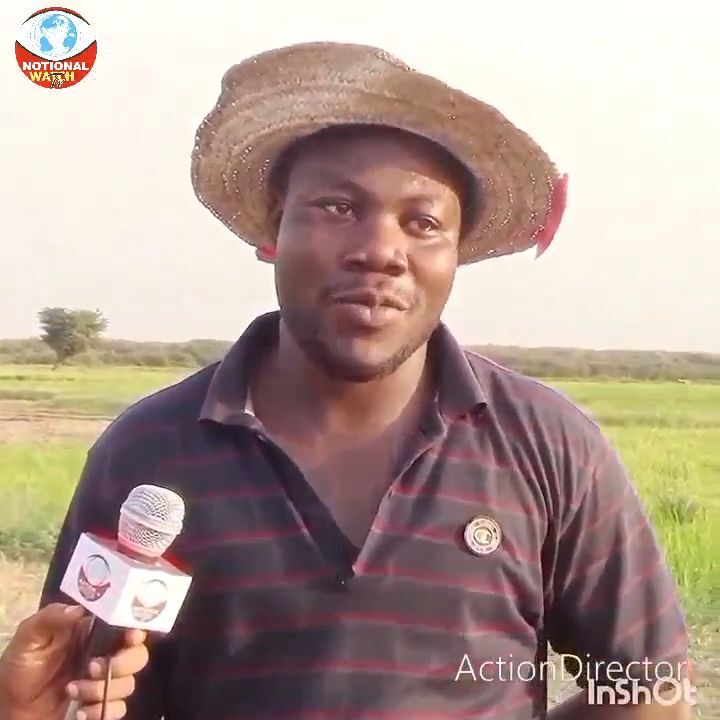
A dry season farmer in Sarkin-Noma, Lokoja, Haruna Mustapher, has called on the Kogi State Government and relevant agricultural agencies for urgent support to enhance the operations of his five-hectare rice and cattle farm, which employs about thirty workers.
Mustapher, who cultivates rice and rears cattle, said the farm is supported by three wells but continues to face rising operational costs, limited access to modern equipment, and persistent security challenges.
Last season, the farm produced approximately 300 bags of rice, and Mustapher expressed optimism that production could increase this dry season if adequate support is provided.
“With timely assistance, we can produce more rice, raise healthier cattle, and provide for our families and the market,” he said.
On security concerns, farm worker, Idris Muhammad Tanko revealed that one of their cows was stolen last year, highlighting the ongoing risks to livestock and farm workers.
Mustapher noted that limited access to essential inputs—such as fertilizers, modern machinery, veterinary services, and water management tools—has constrained productivity.
He urged the government to provide subsidized fertilizers, improved seedlings, water pumps, and power tillers, alongside security support, to help local farmers achieve their full potential.
Highlighting the farm’s economic impact, Mustapher emphasized that it sustains the livelihoods of thirty families in the community.
“Supporting our operations sustains jobs for local workers who depend on this farm to feed their households,” he said.
Community members and agricultural experts praised Mustapher’s initiative, stressing that smallholder farms like his are vital for stabilizing local rice supply, reducing reliance on imports, and driving rural development.
They noted that with government intervention, dry season farming in Lokoja could serve as a model for other farmers in the state.
Residents and stakeholders urged that grassroots farmers be prioritized in intervention programs, including access to soft loans, training, modern machinery, and security measures, stressing that such support strengthens the agricultural value chain, creates employment for youths, and improves livelihoods across Lokoja and beyond.
Watch Video Here: